
Fast-forward to today, and similar whispers surround the 2027 AFCON, set to be co-hosted by Kenya, Uganda, and Tanzania from June 19 to July 18. This marks the first time three nations will jointly host the tournament and the first AFCON in the CECAFA region in nearly five decades. Recent reports, including from The Guardian, suggested the event might be postponed to 2028 due to concerns over infrastructure readiness, with CAF’s executive committee reportedly discussing the move amid fears of inadequate preparations.
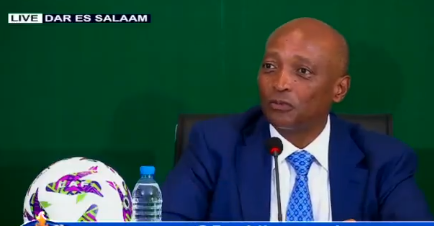
However, CAF President Patrice Motsepe swiftly dismissed these rumors during a press conference in Dar es Salaam, affirming that the tournament will proceed as planned. “AFCON next year in Kenya, Tanzania, and Uganda is going to be enormously successful,” Motsepe declared, emphasizing East Africa’s potential to become a “powerhouse of the best football on the continent.” He even hinted that the opening match could be in Tanzania, signaling strong confidence in the hosts.
This confirmation comes amid CAF’s decision to shift AFCON to a quadrennial format starting in 2028, but the 2027 edition remains intact, bridging the old biennial cycle.
Preparations in Full Swing: Infrastructure and Investments
With just over a year until kickoff, the “Pamoja” (Swahili for “together”) bid is ramping up efforts. CAF has dispatched inspection teams to assess progress, focusing on stadiums, training facilities, safety, and security. The visits, running through mid-February 2026, underscore CAF’s commitment to “world-class delivery standards.”
In Kenya, the 60,000-seater Talanta Sports City Stadium in Nairobi is nearing completion, serving as a flagship venue. Renovations at other sites, including those in Eldoret and Kakamega, are slated to begin this month, with a November 2026 deadline for readiness. Kenya’s Local Organising Committee chairman, Nicholas Musonye, has expressed optimism about meeting timelines.
Uganda is blending upgrades with new builds. The Mandela National Stadium in Kampala is being modernized, while the 20,000-seater Hoima City Stadium—costing around $116 million—is already complete. Additional sites in Entebbe, Lira, and Hoima are under review. Parliament has recommended a $100 million budget for overall preparations, including anti-doping measures.
Tanzania emerges as a financial anchor, allocating nearly $195 million for sports infrastructure in the 2025-2026 fiscal year, with $67 million earmarked for stadiums. Work on Arusha Stadium is progressing, alongside venues in Dar es Salaam, Dodoma, and Zanzibar. Motsepe praised the “massive preparations” across the trio, noting CAF’s satisfaction with the advancements.
| Country | Key Venues | Budget Highlights | Status |
|---|---|---|---|
| Kenya | Talanta Sports City (Nairobi), Eldoret, Kakamega | Renovations starting February 2026 | Nearing completion for main stadium; deadline November 2026 |
| Uganda | Mandela National Stadium (Kampala), Hoima City Stadium | ~$100 million overall; $116 million for Hoima | Hoima complete; upgrades ongoing |
| Tanzania | Arusha Stadium, Dar es Salaam, Dodoma, Zanzibar | ~$195 million for infrastructure; $67 million for stadiums | Construction underway; financial pillar of the bid |
Challenges Ahead, But Unity Prevails
No major event is without obstacles. The tight timeline—less than 17 months—amplifies concerns about completing renovations amid potential logistical hurdles, such as Kenya’s August 2027 elections (though scheduled after the tournament). Historical precedents, like Cameroon’s setbacks, highlight risks of delays or cost overruns. Additionally, ensuring equitable distribution of matches and seamless cross-border travel for fans will test regional cooperation.
Yet, these challenges are opportunities. The joint hosting fosters East African unity, boosts tourism, and accelerates infrastructure development that will benefit generations. As Motsepe noted, this could position the region as a football powerhouse.
A Call to Believe in Ourselves
As Africans, we must recognize that while challenges exist, our continent’s spirit of innovation and resilience will prevail. Cameroon’s story proves it: from being deemed “not ready” to hosting a memorable AFCON. Now, Uganda, Kenya, and Tanzania stand poised to do the same. This tournament isn’t just about football—it’s about showcasing African excellence, inspiring youth, and building lasting legacies.
Let’s rally behind the Pamoja bid. AFCON 2027 will be a success because we believe in ourselves.


Leave a Reply